
CLARITY Act: Why the New Draft Still Doesn’t Satisfy Democrats
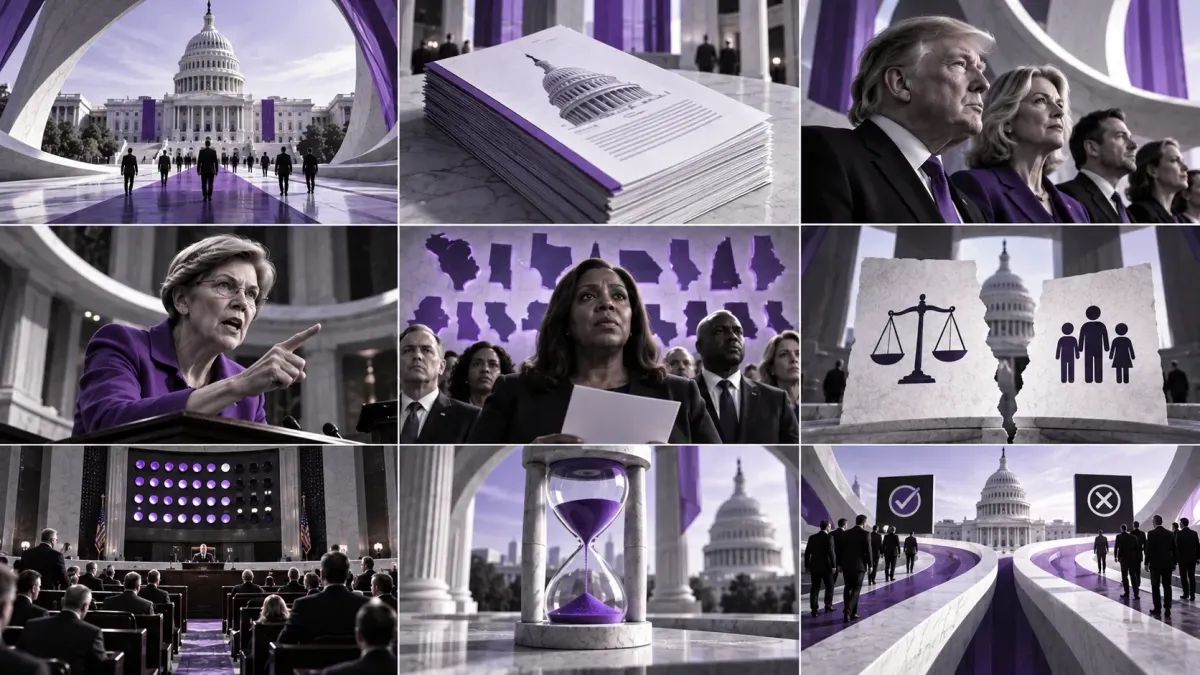
The high-stakes vote on the new CLARITY Act draft faces a massive deadlock. While Trump pushes for a crypto framework, Senator Warren and AG Letitia James are rejecting the bill over unresolved conflicts of interest.
The Bright Recap
The high-stakes vote on the new CLARITY Act draft faces a massive deadlock. While Trump pushes for a crypto framework, Senator Warren and AG Letitia James are rejecting the bill over unresolved conflicts of interest.
To know more about this topic, read our related articles:
- CLARITY Act: The Vote on the Final Text is Near, but Ethics Provisions Could Derail It
- Warren CLARITY Act Forum: An Ethics Adviser Confirms the Bill Does Not Reach Licensing Fees
- CLARITY Act Senate Vote: The Police Union Switched Sides and the Seven Votes Did Not Move
- CLARITY Act Ethics Provision: The Conflict Ban Written to Expire in 2029
- CLARITY Act Bankruptcy Protection: What Custody Rules Cover and What the House Declined to Vote On
- CLARITY Act Ethics Provision: The House Made One Amendment in Order Out of Fifty-One
- CLARITY Act Stalls Over the One Conflict It Never Assigned a Regulator
- The CLARITY Act and the Symbolism of Independence: When Supporting a Bill Becomes an Act of National Purpose
- CLARITY Act: Lummis's Dollar Argument Hasn't Changed in Two Years
- Trump Delays the CBDC Ban for a Vote His Own Senate Already Rejected
- Senate Passes the CBDC Ban: America's Digital Dollar Will Be a Private Product
- CBDC Ban Through 2030 Comes With an Explicit Stablecoin Shield
- CLARITY Act Odds Fell Twice in June for Two Unrelated Reasons
- Crucial Senate Vote Looming for CLARITY Act Amid Major Crypto Reform Revisions
- Financial technology explained
- Cantica Reports
Bright Answers
Why are Senator Elizabeth Warren and AG Letitia James opposing the new CLARITY Act draft?
They argue the revised text fails to address severe conflicts of interest. Specifically, they contend the new ethics provisions act as a "weak fig leaf" that fails to clearly block high-ranking government officials from personally profiting off the digital assets and regulatory frameworks they are actively designing.
How did Senator Cynthia Lummis react to the Democratic pushback on the bill?
Senator Lummis expressed deep disappointment, posting on X that some Democrats simply refuse to agree to a deal regardless of what text changes are made. Her frustration came after Republicans addressed 126 specific Democratic requests in the updated draft.
What is the main objection raised by the coalition of 18 state attorneys general?
Led by New York AG Letitia James, the bipartisan coalition warned in a joint letter that the bill's confusing wording and broad federal preemption clauses would strip local states of their power to investigate and prosecute cryptocurrency fraud, ultimately leaving everyday investors unprotected against online scams.
The vote on the new draft of the CLARITY Act is about to happen, but Democrats and state attorneys general don't seem to appreciate the changes made to the old text.
President Donald Trump, as well as several industry representatives, are trying to push to advance the bill, but Democrats—especially Senator Elizabeth Warren (D-MA)—and New York Attorney General Letitia James are explicitly refusing the draft ahead of the vote because it fails to solve conflicts of interest.
Meet Cantica, the Fin-Tech intelligence system for custom reports to strategise your next business move.
The Supporters – Led by Senator Lummis
After sharing and supporting the new CLARITY Act draft as the best offer Republicans can make, Senator Cynthia Lummis (R-WY)—a leading pro-crypto voice in the Senate—shared her disappointment as soon as Democrats' comments started reaching the public.
"It's becoming clear that some Democrats simply won't get to yes, no matter what we put in the text," she posted on X.
As reported by The Bright Minded, despite the 126 Democratic requests addressed in the new draft, the ethics provisions—which have long represented a huge roadblock—still didn't manage to clearly exclude the opportunity for top institutional actors to profit from cryptocurrencies and a regulatory bill they would design for themselves.
The Opponents – Led by Senator Warren
During a Senate floor speech, Senator Elizabeth Warren (D-MA), the Ranking Member of the Senate Banking Committee, classified the new draft as a "weak fig leaf that will do nothing to stop him [President Trump] from making his next $1.4 billion in crypto profits," as CNBC reported after seeing an exclusive look at her preparatory notes.
As reported by The Bright Minded, two key loopholes make these concerns legitimate: the 2029 Sunset Clause and the Children Loophole.
The Letter: State Leaders Unite Against CLARITY Act Loopholes
New York Attorney General Letitia James led a group of 18 state attorneys general to oppose the current version of the CLARITY Act. In a joint letter sent to Senate Banking Committee leaders on September 14, 2026, the group warned that the federal bill's confusing wording and broad rules threaten to take away state powers to crack down on cryptocurrency fraud.
Pointing to government data that shows billions of dollars are lost to online scams each year, James and her team urged the Senate to vote against the bill. They demand that Congress fix or remove loopholes—like a rule giving too much power to the SEC—so states can keep protecting everyday investors.
Now, all eyes turn to the Senate floor, where leadership must decide whether to force a vote on a draft that key state prosecutors and senior Democrats have already declared dead on arrival.
Editor's note
Every piece published on The Bright Minded goes through careful verification, but mistakes can happen. If you spot an error, have additional information, or want to flag anything, write to rosalia@thebrightminded.com.