
The Technical Mechanics of Section 2 (new CLARITY Act Text): Defining True Decentralization
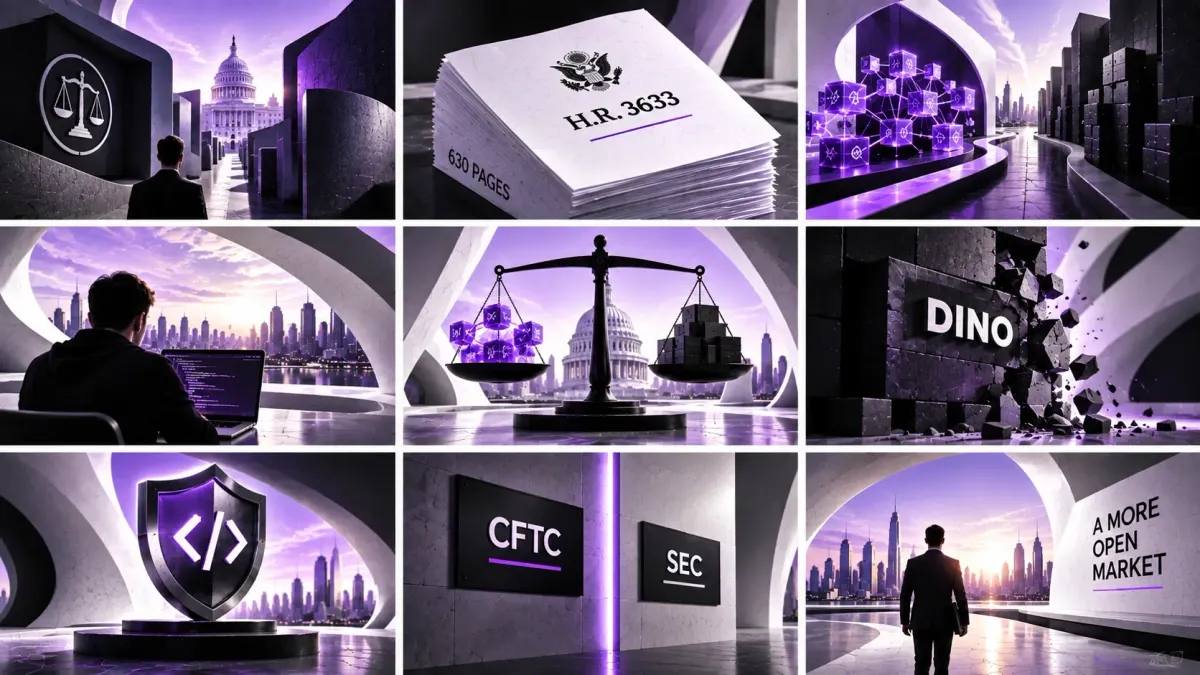
The newly revised 630-page draft of the Digital Asset Market Clarity Act introduces a strict, criteria-based boundary line between autonomous code and centralized networks.
Meet Cantica, the Fin-Tech intelligence system for custom reports to strategise your next business move.
Software architects are focusing directly on Section 2, which changes how federal law treats software applications. Previously, the absence of objective statutory definitions allowed regulators to use broad administrative powers to challenge open-source developers.
Section 2 fixes this problem by establishing clear, predictable rules for on-chain protocols. According to the official analysis distributed by Senator Cynthia Lummis, the updated text establishes explicit statutory exemptions designed to protect non-custodial developers, smart contract architectures, and decentralized communication systems from standard broker-dealer exchange registration.
Genuinely autonomous protocols running on public ledgers can operate without the burden of centralized financial compliance. The bill moves the regulatory focus away from software syntax and onto the actual locus of human control.
Specifically, the law targets the hidden administration keys, core developer entities, and parent companies that claim web3 decentralization while maintaining complete backend veto power. Under the new guidelines, if a platform relies on a specific team, company, or centralized organization to execute updates, manage collateral parameters, or direct governance, it faces mandatory registration with the Commodity Futures Trading Commission (CFTC).
This enforcement mechanism serves as a structural moat for builders. Authentic web3 projects that spent capital, time, and engineering resources to achieve true decentralization have frequently competed against highly centralized applications masquerading as open-source protocols. These platforms enjoyed the marketing benefits of web3 branding while maintaining the execution speed and control of web2 software. By establishing a rigid, transparent legal baseline for autonomy, the Clarity Act strips these platforms of their regulatory cover.
Centralized teams will be forced into the clear light of CFTC compliance. Genuinely decentralized protocols will see their operational safety codified into federal law. As liquidity begins to flow through these newly defined channels, the industry will see that Section 2 standardizes innovation. It creates a predictable, rule-based sandbox where authentic decentralized applications can scale without the threat of retroactive enforcement.
Editor's note
Every piece published on The Bright Minded goes through careful verification, but mistakes can happen. If you spot an error, have additional information, or want to flag anything, write to rosalia@thebrightminded.com.